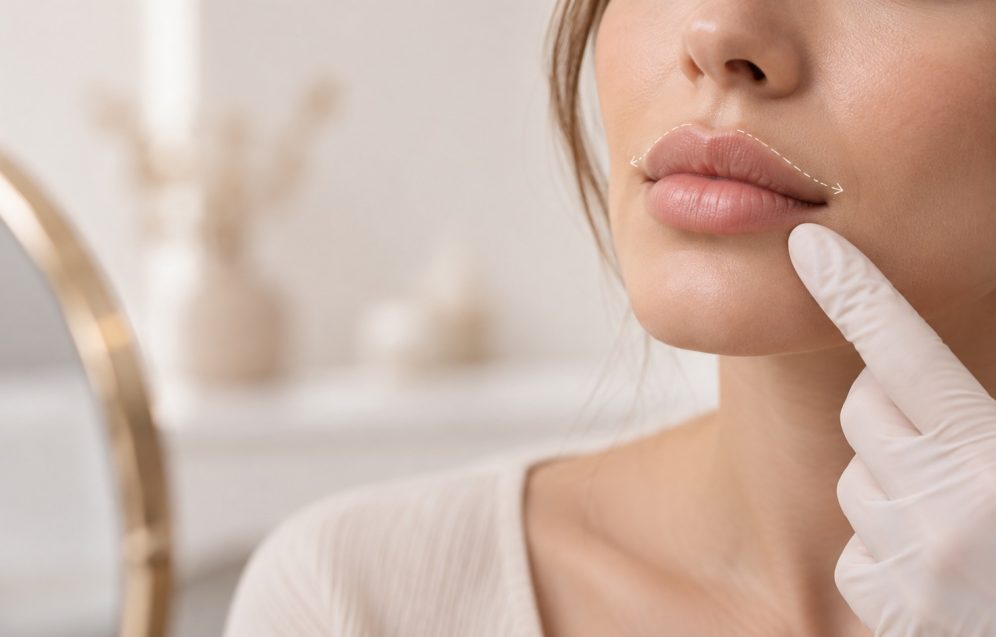
First-Time Lip Fillers in Reading: The Consultation Guide

Your first lip filler appointment should begin with a consultation about your lips, medical history and expectations. The amount and technique come later, once suitability has been assessed. At Glowing Touch Beauty, lip filler consultations take place at 343A Wokingham Road, Earley, Reading, RG6 7EB. This guide explains what to discuss before committing to treatment, how to plan around recovery and which questions help you make an informed decision.
Feeling curious and nervous at the same time is understandable. You might want more definition, better balance or a small change that is difficult to describe. You do not need to arrive knowing a product name or choosing between half a millilitre and one millilitre. Start by explaining what bothers you and what you would prefer to keep.
What can lip filler realistically change?
Hyaluronic acid lip fillers can be used to add volume, refine the outline and address selected differences in proportion. The result depends on your starting anatomy, the product, placement and the amount used. A treatment plan should also consider how your lips move when you smile and speak, rather than assessing only a still photograph.
Filler cannot reproduce someone else’s lips exactly. Your underlying tissue, dental support, existing shape and facial proportions remain relevant. A realistic consultation separates what might be achievable from what would require an excessive or unsuitable amount of product. Keeping a feature you already like can be just as useful a goal as changing something.
Describe the result in everyday language
Try saying that your upper lip seems to disappear when smiling, that the outline looks uneven or that you would like a little more fullness while keeping your usual expression. These descriptions give the practitioner more useful information than simply requesting a trending technique. Bring reference photographs as conversation starters, with the understanding that they are examples rather than a guaranteed result.
A simple consultation note
Before your visit, write three short points: the feature you want to improve, the feature you want to preserve and the result you would consider too much. This helps keep the discussion focused when you are feeling nervous. It also gives you a useful record to revisit before deciding whether to proceed.
What happens during a first consultation in Reading?
The consultation should cover your goals, relevant health information, previous cosmetic procedures and expectations about recovery. You should have time to ask questions about the recommended product, the proposed amount, the practitioner’s experience and the arrangements if a complication occurs. Treatment should remain a choice, including the option to postpone or decline.
The NHS guidance on choosing a cosmetic practitioner recommends checking training, experience and the product being used. Use this as a starting point for your own questions. A polished photograph or a familiar brand name does not replace a discussion about suitability, risks and follow-up.
Information to bring with you
Bring an accurate list of medicines, supplements and allergies. Mention previous reactions to injections or local anaesthetic, any history of cold sores, bleeding problems, relevant medical conditions and recent illness. Tell the practitioner if you are pregnant or breastfeeding, have upcoming dental treatment or have already had filler elsewhere. They can explain what affects the timing or suitability of your appointment.
Do not stop prescribed medication because an online article suggests it might reduce bruising. Any change needs advice from the clinician who manages that medicine. If you are unsure whether a detail matters, disclose it during the consultation rather than trying to decide for yourself that it is irrelevant.
Should first-time clients choose 0.5ml or 1ml?
There is no universally correct starting amount. A smaller amount may be appropriate for a modest adjustment, while another person may need a different plan or no treatment. Millilitres describe quantity, not the final shape. The same quantity can look different in lips with different starting volume, tissue characteristics and proportions.
Ask what the proposed amount is intended to achieve and why it suits your anatomy. A staged approach may be worth discussing if the change you want is substantial or if you are unsure about your preferred result. For a separate explanation, read our guide to 0.5ml versus 1ml Russian lip filler in Reading.
Avoid planning by syringe alone
Choosing a treatment only because it includes more product can shift attention away from the result you actually want. Ask whether the plan is focused on definition, volume or balance. Understand what a follow-up review includes and whether any later treatment would have an additional cost. You should know these details before making your decision.
Russian lips or classic lip filler?
Russian lips and classic lip filler describe approaches to shaping the lips rather than two completely separate substances. The terms are used differently across clinics, so ask the practitioner to explain exactly what they mean. Discuss the look from the front and side, your existing lip shape and how noticeable you want the change to be.
Neither label guarantees a natural result, a flat profile or freedom from complications. Anatomy and an appropriate treatment plan matter more than selecting a name from social media. Our Russian lips versus classic filler comparison explains the discussion in more detail, including why previous filler may affect the options.
How should you prepare for the appointment?
Request the clinic’s own preparation instructions when booking. Tell the team about any new cold sore, skin irritation, illness or medication change before your visit, because treatment may need to be delayed. Plan an appointment when you can follow the aftercare and access the clinic’s advice if needed, rather than fitting it into an already crowded day.
Allow flexibility around important events. Your lips may look swollen or uneven during the early recovery period, and bruising can remain visible longer than expected. A first appointment immediately before a wedding, holiday or professional photographs leaves little room for uncertainty. Discuss your dates and ask what recovery allowance would be sensible for your circumstances.
Questions about comfort
Ask how discomfort is managed and whether the proposed product contains local anaesthetic. Explain any previous problems with numbing creams or injections. Pain experience varies, so promises that everyone finds the procedure painless are unhelpful. You should also know how to signal that you need a pause during treatment.
What happens on treatment day?
If treatment is appropriate and you decide to proceed, the appointment may include photographs, consent, skin preparation, comfort measures and injection according to the agreed plan. The practitioner should explain what is happening and check how you are feeling. You can ask for clarification before the procedure begins and raise any concern during it.
Before leaving, make sure you know the product used, the treatment area and the aftercare instructions. Keep the clinic’s contact details where you can find them easily. Ask when a review is normally considered and what to do if the appearance worries you earlier. A clear follow-up route is part of planning the treatment, rather than an optional extra.
Swelling, settling and the first mirror check
The immediate appearance is not a reliable preview of the settled result. Swelling and bruising can affect symmetry and make the lips look larger or firmer. Avoid judging every change from closely cropped phone photographs taken in different lighting. Follow the review timetable provided by your practitioner, while reporting symptoms that are worsening or unexpected.
There is no single recovery timeline that applies to every client. Ask what is usual for the exact product and treatment plan, and when the clinic would expect symptoms to improve. If something does not fit that explanation, contact the clinic. You do not need to wait for a routine review to ask about a concern.
What risks should you understand?
Possible effects include swelling, bruising, tenderness and redness. Other complications include infection, persistent lumps, unwanted changes in contour and allergic reactions. Rare vascular complications can damage tissue and affect vision. The FDA’s dermal filler safety information describes these risks; its regulatory approvals relate to the United States, rather than UK product authorisation.
Symptoms that need urgent assessment
Unusual or increasing pain, pale or dusky skin and visual changes after filler need immediate attention. Contact the treating practitioner urgently for suspected vascular problems. Call 999 for sudden visual loss, stroke symptoms, breathing difficulty or another medical emergency. Do not wait for a scheduled review or assume that a serious symptom is ordinary swelling.
Ask before treatment how urgent concerns are handled outside normal opening hours. Having a written plan is more useful than relying on a social-media message being seen. You should understand which number to use, when to seek emergency care and who takes responsibility for arranging further assessment.
Aftercare without conflicting online advice
Use the written aftercare supplied for your treatment. Ask specifically about makeup, exercise, heat, alcohol, pressure on the lips and returning to your normal skincare. Advice can vary with the procedure and your circumstances. Do not massage or repeatedly press an area unless the practitioner has told you to do so.
Keep any review photographs consistent if the clinic requests them: similar lighting, distance and facial expression make changes easier to compare. Avoid repeatedly touching an area to check whether it feels different. If you notice a new lump, persistent discomfort or a change that concerns you, describe when it began and whether it is improving or worsening.
How much will first-time lip filler cost?
Check the current Glowing Touch price list, then confirm the recommendation and total cost during consultation. Product, treatment approach and any later appointment may affect what you pay. Ask whether consultation, aftercare and a planned review are included, rather than assuming that every clinic structures its fees the same way.
The least expensive appointment is not automatically the most appropriate choice. Compare the quality of the assessment, the clarity of the treatment plan and the arrangements for complications. You should feel comfortable asking questions about cost without feeling pressured to add more product or commit before you understand the recommendation.
Frequently asked questions
Can I book a consultation without deciding on treatment?
Explain when enquiring that you want to discuss options first. Ask about consultation availability, fees and whether treatment would be booked separately. Taking time to consider the information is a reasonable part of an elective cosmetic decision.
What if I have naturally uneven lips?
Small differences are common. Ask which aspect could reasonably improve and what is likely to remain. Perfect symmetry is not a realistic guarantee, particularly because the lips move and the surrounding face also influences their appearance.
Will I need regular top-ups?
Maintenance depends on your response and preferences. A review should assess what remains rather than automatically adding product at a fixed interval. Our guide to how long lip filler lasts discusses the factors that influence later decisions.
A useful checklist before you decide
After the consultation, you should be able to explain the recommendation in your own words. What change is being proposed? Why has that amount been suggested? What are the main limitations for your lips? If those answers remain unclear, ask for another explanation before agreeing to treatment. An elective procedure does not need to be decided under time pressure.
Think about practical recovery as well as appearance. Consider your work commitments, caring responsibilities and travel plans. Make sure you could attend an assessment if the practitioner needed to see you. Keep any written information and consent documentation together so you can refer to the agreed plan later. This preparation can make the experience feel more manageable without trying to predict exactly how your body will respond.
Finally, check that you want the change for yourself. A consultation can help you explore an idea, but it does not create an obligation to follow it through. Choosing to wait is a valid outcome.
Arrange your Reading consultation
Glowing Touch Beauty provides aesthetics consultations at 343A Wokingham Road, Earley, Reading, RG6 7EB. This is the Reading location for lip filler enquiries. Start with your concerns, previous treatment history and preferred outcome, then discuss whether an appointment is suitable. Contact the Reading clinic to ask about availability and preparation instructions.